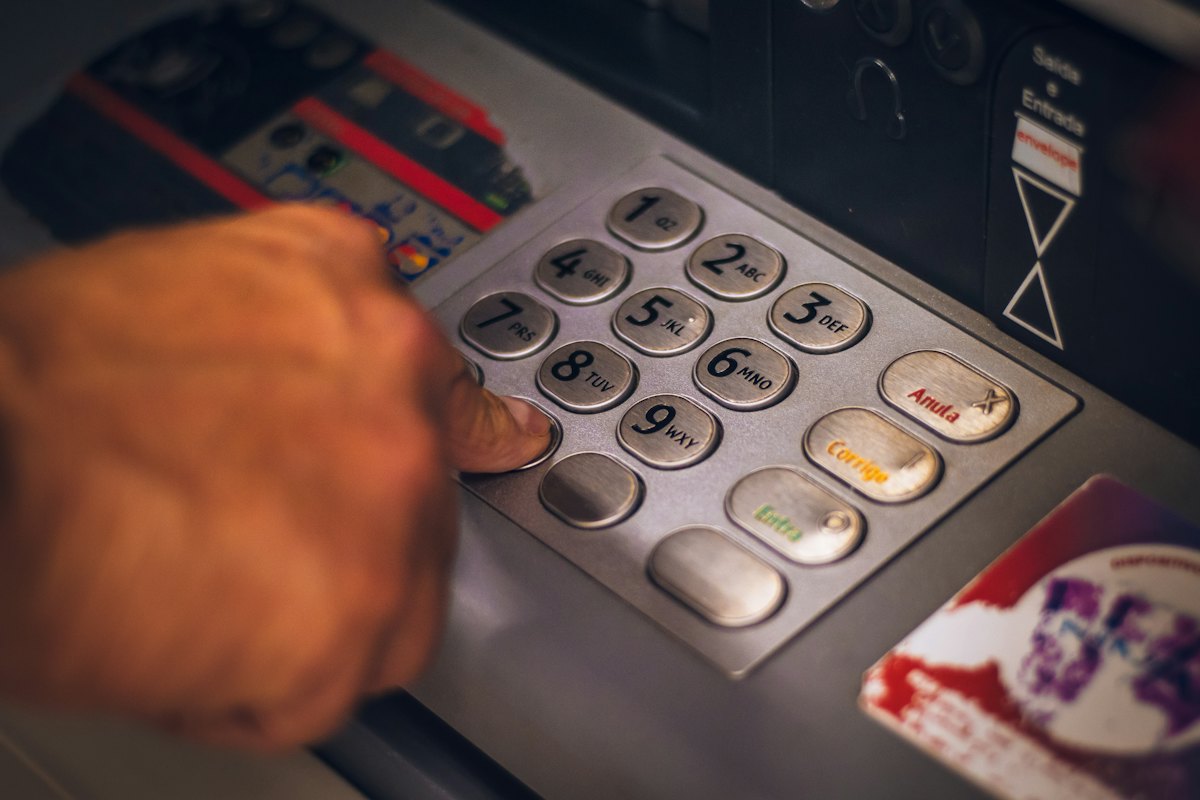
One morning your UPI stops working. The bank tells you a cyber cell somewhere in India — often a state you have never visited — has issued a freeze instruction on your account. No notice, no explanation, no timeline. For a salaried person, a small business owner or a trader, this is not an inconvenience. It is a full stop on daily life.
This is the single most common problem we solve. Bank account freeze and hold removal is our core specialisation, and over the last several years we have guided thousands of account holders — innocent recipients, online sellers, crypto P2P traders, commission agents and businesses — through the exact legal process that gets accounts released.
Why do cyber cells freeze bank accounts in India?
When a victim reports an online fraud on the National Cyber Crime Reporting Portal (cybercrime.gov.in) or the 1930 helpline, investigators trace the money trail. Every account the money touched — even for a few minutes — can receive a freeze or lien instruction. Banks act on these instructions under Section 106 of the Bharatiya Nagarik Suraksha Sanhita, 2023 (earlier Section 102 CrPC), and they act fast.
The result: lakhs of genuine account holders get frozen every year simply because tainted money passed through their account. You may have sold goods online, received a P2P crypto payment, or accepted a customer transfer — and still find your entire account blocked, not just the disputed amount.
Full freeze, debit freeze and lien — know the difference
A full freeze blocks all transactions. A debit freeze lets money come in but nothing goes out. A lien locks only the disputed amount while the rest of the balance stays usable. Which one you are facing decides the legal route — and the first thing we do is obtain the exact freeze details, notice reference and the name of the investigating officer from your bank.
How we unfreeze bank accounts — our proven process
- Step 1 — Freeze diagnosis: We obtain the cyber cell reference, complaint number (Acknowledgement/NCRP number), the freezing authority and the exact disputed amount from your bank under proper legal request.
- Step 2 — Evidence file: We build your innocence file — invoices, order records, chat history, delivery proofs, exchange ledgers for crypto trades, bank statements showing consistent genuine activity.
- Step 3 — Legal representation: A formal written representation citing the correct provisions of BNSS and current judicial precedent is filed with the investigating officer and the cyber cell that ordered the freeze.
- Step 4 — Escalation where needed: If the officer does not act, we move the jurisdictional Magistrate or High Court for release of the account, and in parallel pursue banking-side remedies including the RBI Ombudsman route.
- Step 5 — Lien narrowing: Where full release takes time, we push to convert a full freeze into a lien on the disputed amount only — so your salary, business payments and daily banking resume immediately.
The law is moving in your favour
Courts have repeatedly held that freezing an entire account of a person who is neither an accused nor a suspect — without a magistrate's oversight — is disproportionate. In January 2026 the Delhi High Court, in Malabar Gold & Diamonds v. Union of India, held that such blanket freezes violate the right to carry on business under Article 19(1)(g) and the right to livelihood under Article 21. The Indian Cyber Crime Coordination Centre (I4C) has also updated its Standard Operating Procedures to speed up release for innocent parties.
But rights on paper do not unfreeze accounts by themselves. Precise drafting, the right forum and persistent follow-up with the cyber cell do. That is the work we do every single day.
Bank Account Unfreeze — Frequently Asked Questions
How long does it take to unfreeze a bank account frozen by a cyber cell?
With complete documents and correct legal representation, many accounts are released in 2–8 weeks. Complex cases involving multiple complaints or inter-state cyber cells can take longer. The biggest delays happen when account holders wait months before acting — start immediately.
My account was frozen for a P2P crypto transaction. Am I in trouble?
Not necessarily. If you traded in good faith, your exchange KYC, order book, ledger history and chat records can establish you as a bona fide trader. We compile exactly this file and present it to the investigating officer. P2P-related freezes are among the most common cases we resolve.
The cyber cell that froze my account is in another state. Do I have to travel?
In most matters, no. Representations, follow-ups and even many hearings are handled through drafting, e-filing and coordination. We work with cyber cells across India from our base in Gujarat and appear through local counsel where physically required.
Only ₹15,000 is disputed but my whole account with ₹4 lakh is blocked. Is that legal?
Courts have consistently said a freeze should be proportionate to the disputed amount. We push the investigating officer — and the court if needed — to restrict the lien to the disputed sum and release the rest of your balance.
What documents should I keep ready before calling you?
Your bank's communication (if any), account statement for the relevant period, details of the transaction that triggered the freeze, and any proof of the underlying deal — invoices, chats, delivery records or exchange screenshots. Even if you have nothing yet, call us; obtaining the freeze details from the bank is step one of our process anyway.